• Excellent conductivity: Essential for electrical engineering and communications
  • Durability and protection: Ideal for construction and architecture
  • Tradition and modernity: From arts and crafts to high-tech applications
  • Future potential: A key component of sustainable technologies

Copper is far more than just a metal with a striking orange-reddish colour. Its remarkable properties make it an indispensable material in numerous industries. As an excellent conductor of electricity and heat, copper is an essential component of modern technologies and everyday applications.

THE FASCINATING PROPERTIES OF COPPER

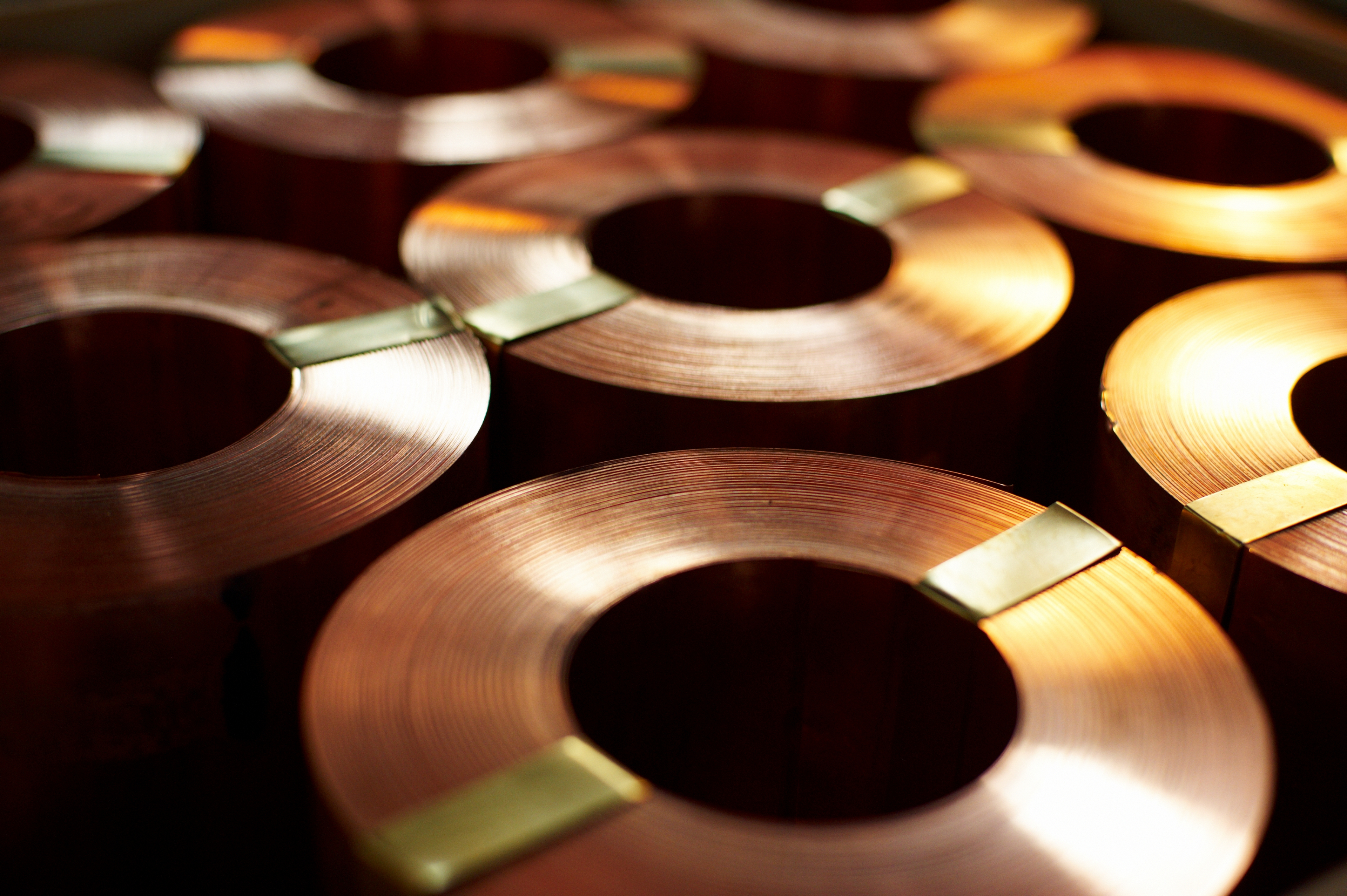
Copper is a soft, malleable yet strong metal with excellent electrical and thermal conductivity. These properties make it a preferred material in electrical engineering.

Compared to other metals, copper offers a unique combination of stability and workability. Copper alloys, such as bronze and brass, expand the range of applications through additional hardness and corrosion resistance.

  • Excellent conductivity: Ideal for applications in electrical engineering
  • Versatile workability: Suitable for art, crafts and industrial applications
  • Durability: Resistant to corrosion and wear

HISTORICAL AND MODERN ORIGINS

Copper has been part of human civilisation for millennia. It was already a prized material during the Copper Age, over 7,000 years ago. The Romans used it extensively, and even today it remains one of the most widely produced metals in the world. Countries such as Chile, Peru and the USA are leaders in copper production, thanks to their rich deposits of native copper.

POSSIBLE USES OF COPPER IN ELECTRICAL AND COMMUNICATIONS ENGINEERING

Copper is indispensable in electrical engineering. It is used in cables, broadband networks and printed circuit boards because it conducts electricity efficiently. These properties also make it the ideal material for electric mobility, where it plays a crucial role in vehicle batteries.

Demand for copper will continue to rise as the industry progresses. Furthermore, copper is essential for the construction of transformers and electric motors.

Its high conductivity ensures stable performance even in expanding communications networks such as 5G and the IoT. Copper is therefore an indispensable element in the infrastructure of modern information and communications technologies.

Note: Copper is a key component in electrical engineering and communications infrastructure, thanks to its excellent conductivity and stability.

CONSTRUCTION AND ARCHITECTURAL AESTHETICS

Copper is used in the construction industry for roofs, façades and pipework. Its durability and the protection afforded by a natural patina make it a favoured material amongst architects.

The range of applications for copper in water supply systems demonstrates the versatility of this metal in infrastructure. Copper roofs and façades are not only functional but also visually appealing, and contribute to the energy efficiency of buildings.

Thanks to its resistance to the elements, copper is also valued in more hostile environments. These properties make copper a popular choice in sustainable construction, where it often serves as an example of environmentally friendly materials.

ART, CRAFTS AND CULTURAL HERITAGE

Copper has a long tradition in the arts and crafts. From sculptures to musical instruments, its workability inspires artists worldwide. In the furniture industry, copper is valued for its decorative qualities, whilst also offering practical benefits, such as its antimicrobial properties.

Note: Copper combines aesthetic appeal with functional benefits, making it a favourite in the arts and design sectors.

POSSIBLE USES OF COPPER IN MEDICAL TECHNOLOGY

In medicine, copper is used for its antimicrobial properties. It is utilised in medical devices and surfaces that require sterile conditions. Furthermore, copper plays a role in consumer goods, ranging from tableware to electronic devices.

Its antimicrobial properties make it particularly valuable in hospitals and medical facilities, where it helps to reduce the spread of germs. From a technical perspective, copper is also used in the manufacture of high-precision instruments and equipment that are essential in research laboratories and medical facilities. Copper is therefore a key factor in advances in medical technology.

POSSIBLE USES OF COPPER IN INDUSTRIAL APPLICATIONS AND MECHANICAL ENGINEERING

Copper plays a central role in mechanical engineering and industry, particularly in the manufacture of precision parts and machine components. Its excellent thermal conductivity and corrosion resistance make it ideal for use in boilers and distillation plants, where it is often used on a large scale.

Furthermore, copper is used in the automotive industry for the manufacture of radiators and brake lines, as it can dissipate heat efficiently. In addition to these applications, copper is also significant in aerospace engineering.

Here, it is used in components that must withstand high temperatures and extreme conditions. The ability to alloy copper with other metals makes it possible to create bespoke materials that meet specific requirements in various industrial applications.

  • Thermal conductivity: Ideal for applications requiring high temperatures
  • Corrosion resistance: Suitable for corrosive environments and long-lasting machinery

THE VERSATILITY OF COPPER MAKES IT AN INDISPENSABLE METAL

Copper is a metal that, thanks to its versatility and unique properties, is used in almost every industry. From electrical engineering and construction to the arts, copper offers solutions that are indispensable in our modern world.

WECUBEX – YOUR RELIABLE PARTNER IN METALWORKING

We offer innovative and bespoke metal system solutions: whether for medical technology, mechanical engineering or electrical engineering. Our five plants in Germany, Austria, the Czech Republic and Romania stand ready to support your projects with precision and dedication.

WHY WECUBEX?

  • Flexibility and scalability: We respond quickly to fluctuations in production and rising order volumes, thanks to our size and experience
  • Diverse industry solutions: From the automotive industry to the furniture sector – we are your partner across numerous sectors
  • High quality standards: Certifications and in-house welding engineers guarantee first-class results

OUR TECHNOLOGIES AND SERVICES

  • Sheet metal assemblies and tube fabrication
  • Welding technology and stainless steel processing
  • Automation and robotics
  • Design and project management

Put your trust in WECUBEX as your one-stop shop for the entire value chain in metalworking. Experience quality, innovation and efficiency.
FAQ

  • Surface treatment improves functionality and durability
  • Standards such as DIN EN ISO 8501-3 ensure quality
  • Galvanising provides effective protection against corrosion
  • Automation and innovation are shaping the future
  • WECUBEX: an experienced partner for bespoke solutions

The surface treatment of steel plays a central role in industrial manufacturing. It enables the properties of steel to be tailored to specific applications. Companies such as WECUBEX, which specialise in metalworking, offer comprehensive solutions to enhance the performance of steel products.

BASICS OF SURFACE FINISHING

Surface finishing refers to the targeted modification of a material’s outer layer. These modifications improve the functionality and durability of products. Technological advances in this field have led to more efficient and environmentally friendly processes.

OBJECTIVES AND BENEFITS OF SURFACE TREATMENT

The surface treatment of steel serves several purposes. In addition to aesthetic improvements, such as increasing reflectivity, it also enhances mechanical strength. Of particular note is the improved corrosion resistance, which makes a significant contribution to the longevity of components.

  • Aesthetic improvements through increased reflectance
  • Increased durability and longevity
  • Significant improvement in corrosion resistance

STANDARDS AND SPECIFICATIONS FOR THE SURFACE TREATMENT OF STEEL

Compliance with standards such as DIN EN ISO 8501-3 ensures the quality of surface treatment. These standards specify how metallic surfaces must be prepared for treatment in order to achieve optimum results. Certifications guarantee that the processes meet the highest requirements.

SURFACE TREATMENT METHODS

1.MECHANICAL PROCESSES

Mechanical processes such as grinding and polishing are used to refine and smooth the surface structure of steel. These methods not only improve the visual properties but also prepare the surface for further treatments.

2. CHEMICAL PROCESSES

Chemical processes, including pickling and phosphating, are used to remove impurities and oxide layers. These processes are essential for creating a clean base for subsequent coatings and for increasing corrosion resistance.

3. ELECTROCHEMICAL PROCESSES

Electroplating and galvanising are electrochemical processes that protect steel from corrosion by applying a protective layer of metal, such as zinc. These methods are particularly effective as they improve both aesthetics and functionality.

→ Electroplating provides additional protection and enhances the appearance

→ Galvanising provides effective protection against corrosion by means of a protective metallic coating

4. THERMAL PROCESSES

Thermal processes such as heat treatment improve the hardness and strength of steel. Controlled heating and cooling alter the internal structure of the metal, resulting in improved mechanical properties.

5. COATING PROCESSES

Painting and powder coating are coating processes that apply an additional protective layer to the steel surface. These layers not only provide protection against environmental influences but also contribute to the visual design.

Note: Choosing the right coating process can significantly improve the functionality and appearance of steel products.

CORROSION PROTECTION IN DETAIL

Corrosion protection measures are crucial for extending the service life of steel. The use of protective layers minimises the metal’s reaction with its environment. Whilst it is not possible to guarantee that corrosion will be completely prevented, the rate of degradation is significantly reduced.

INNOVATIONS AND FUTURE TRENDS

The integration of automation and robotics is revolutionising surface treatment. Efficient processes and environmentally friendly technologies are becoming increasingly important. The influence of digitalisation and Industry 4.0 promises further improvements in process optimisation.

Note: Automation and digitalisation are key trends that will shape the future of surface treatment.

AREAS OF APPLICATION

Surface treatment of steel is used across numerous industries. From the automotive industry to the construction sector – every project benefits from the improved durability and functionality of steel components.

WORKING WITH WECUBEX

Choosing an experienced partner such as WECUBEX offers many advantages. With a comprehensive ‘one-stop-shop’ approach, bespoke solutions can be provided to meet individual requirements. WECUBEX’s expertise guarantees high-quality results.

branchen-image04

FAQ

  • Coherence: Describes the constant phase relationship between waves
  • Laser light: High coherence enables precise applications
  • Applications: Medicine, industry, science, telecommunications
  • Interference: Constructive and destructive effects caused by coherence
  • Safety: Laser classes protect against risks

Laser coherence is a key concept in modern laser technology and plays a crucial role in numerous applications. Coherence describes the constant phase relationship between the wavefronts of electromagnetic waves, which gives lasers their unique properties. In this article, you will learn why laser light is so special due to its coherence and what applications it enables.

BASICS OF COHERENCE

Coherence is derived from the Latin word ‘cohaerere’ and means ‘to stick together’. In physics, coherence describes the phase behaviour of waves. Waves are coherent when their phase shift remains constant.

This property is crucial for the interference of waves, which can lead to the amplification or cancellation of waves. Coherence is therefore a fundamental concept in optics and is utilised in many physical experiments.

Note: Coherence is crucial to the ability of waves to interact with one another and forms the basis for many optical phenomena.

TECHNICAL ASPECTS OF COHERENCE

The coherence of waves can be either complete or partial. Fully coherent waves have the same frequency and amplitude, whilst their phase difference remains constant. Partial coherence describes waves whose phase relationship is not entirely constant. Measuring coherence is crucial for the application of laser systems, as it influences the quality and precision of the beams produced.

  • Full coherence: Same frequency and constant phase shift
  • Partial coherence: Incomplete phase constancy

LASER LIGHT AND COHERENCE

Laser light is characterised by its high coherence. This arises from the stimulated emission of photons within a laser, in which electrons are excited by photons and generate further photons of the same wavelength.

These waves are highly coherent and monochromatic, meaning they have a uniform colour. This process clearly distinguishes laser light from conventional light, which is incoherent and polychromatic.

Key properties of laser light:

  • High coherence and monochromaticity
  • Difference from conventional light: uniformity and colour fidelity

PRACTICAL APPLICATIONS OF LASER COHERENCE

The high coherence of laser light enables a wide range of applications. In medicine, it is used for precision surgery and eye treatments. In industry, coherent laser light is used for material processing and in measurement technology.

In science, coherence enables experiments such as interferometry, which require precise measurements. Coherent light also plays a key role in telecommunications.

Note: The high coherence of laser light is the key to its versatile applications across various sectors.

INTERFERENCE AND COHERENCE

The interference of waves is directly linked to their coherence. In the case of coherent waves, constructive interference may occur, which amplifies the waves, or destructive interference, which cancels them out. A well-known experiment demonstrating these effects is the double-slit experiment, in which light waves interfere after passing through a slit and produce a characteristic pattern.

SAFETY ASPECTS AND CLASSIFICATION OF LASERS

Lasers are categorised into safety classes that determine their level of hazard to users. The classification ranges from non-hazardous Class 1 lasers to potentially hazardous Class 4 lasers. This classification is based on DIN EN 60825-1 and serves to protect against eye damage and other risks.

THE FUTURE AND DEVELOPMENTS IN LASER TECHNOLOGY

Research into improving the coherence of lasers is of great importance for future technological developments. Advances in laser technology could open up new applications in medicine, industry and science. The continuous improvement of coherence is a key objective in this regard.

DISCOVER THE BENEFITS OF PRECISE LASER CUTTING AT WECUBEX

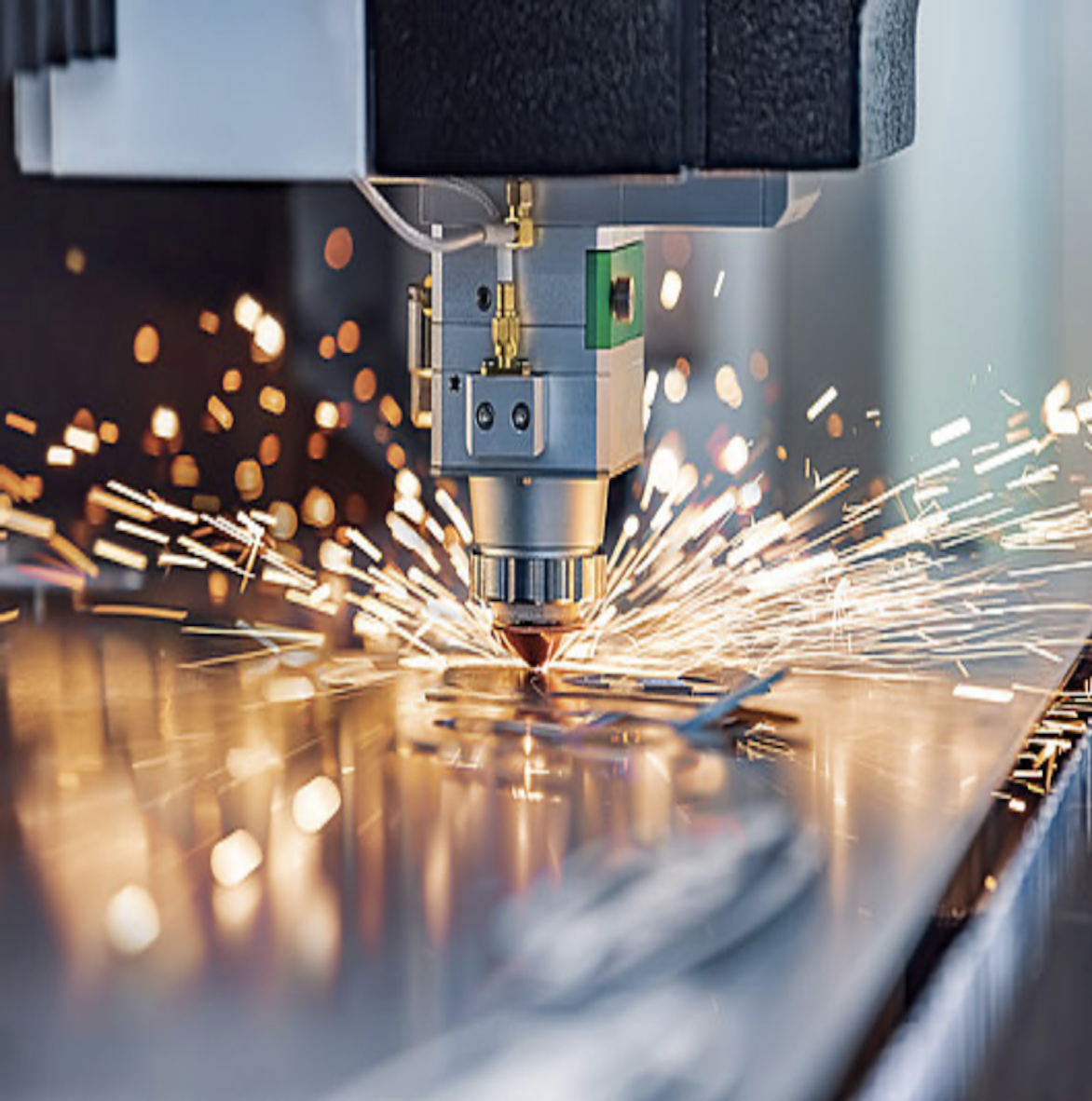
Experience the impressive precision and efficiency of laser cutting with WECUBEX. Our state-of-the-art laser technologies and coherent light beams guarantee precise cuts in aluminium, stainless steel and steel up to a size of 2,000 x 4,000 mm.

Whether for prototypes or series production, our experienced team offers you bespoke solutions that meet the highest quality standards. Rely on our expertise in metalworking to implement your projects efficiently and successfully.

FAQ

  • Aluminium is light, strong and corrosion-resistant
  • Widely used in construction, transport and electrical engineering
  • Plays a key role in renewable energy and high-tech applications
  • Its recyclability makes it environmentally friendly

UNIQUE PROPERTIES OF ALUMINIUM

Aluminium is characterised by its excellent formability and high strength. With a density of only about one-third that of steel, it is particularly light, making it ideal for applications where weight reduction is crucial.

Furthermore, aluminium is corrosion-resistant, thanks to a natural oxide layer. Not only is this metal an excellent conductor of heat and electricity, but it can also be recycled almost indefinitely, making it environmentally friendly.

Note: Aluminium is not only lightweight but also extremely durable and environmentally friendly, making it ideal for many applications.

HISTORY AND MANUFACTURE OF ALUMINIUM

The industrial production of aluminium began in the 19th century with the development of the Hall-Héroult process. Today, aluminium is one of the most widely produced non-ferrous metals. Production begins with the extraction of alumina from bauxite, which is then processed into pure aluminium through electrolysis. The process is energy-intensive, but aluminium’s recyclability helps to reduce its environmental footprint.

OCCURRENCE AND EXTRACTION

Aluminium occurs naturally mainly in minerals such as bauxite. It is usually extracted through open-cast mining, followed by chemical treatment to obtain pure aluminium oxide. Both primary and secondary aluminium are important raw materials in industry. The difference lies in the fact that secondary aluminium is produced from recycled material, which makes it particularly environmentally friendly.

POSSIBLE USES OF ALUMINIUM IN CONSTRUCTION AND ARCHITECTURE

In the construction industry, aluminium is a popular material for architects seeking to create innovative structures. Its durability and resistance to weathering make it ideal for use in façades, roofs and window frames.

Historic buildings such as the Empire State Building made extensive use of aluminium in their construction. The metal’s lightness helps to reduce construction costs, as it eliminates the need for deeper foundations. Aluminium remains stable even under extreme weather conditions, making it highly versatile.

Advantages of aluminium in construction:

  • Durability: Lasts 30 to 100 years
  • Weather resistance: Ideal for outdoor use
  • Lightweight: Easy to transport and install

APPLICATIONS OF ALUMINIUM IN TRANSPORT AND MOTOR VEHICLES

In the transport and motor vehicle sectors, aluminium has become significantly more important due to its strength and low density. In aviation, up to 80 per cent of modern aircraft components are made from aluminium alloys.

In the automotive industry, too, aluminium is used for car bodies and chassis to enhance safety and improve fuel efficiency. Shipbuilding and rail vehicles also benefit from the advantages of this metal, which ensures durability and a high load-bearing capacity.

Note: Aluminium is revolutionising the transport sector through weight savings and increased efficiency in vehicle production.

Applications in transport:

  • Aviation: 80 per cent of aircraft parts are made of aluminium
  • Automotive industry: For car bodies and chassis
  • Shipbuilding: Lightweight, durable, corrosion-resistant

The low weight of aluminium leads to improved energy efficiency, as less fuel is required. Aluminium is increasingly being used in electric mobility to make vehicles lighter and thus more energy-efficient.

Furthermore, the high strength of aluminium alloys enables improved safety through better energy absorption in the event of accidents. In railway technology, aluminium contributes to weight reduction, leading to more efficient operation and lower running costs.

POSSIBLE APPLICATIONS OF ALUMINIUM IN MECHANICAL ENGINEERING AND ELECTRICAL ENGINEERING

For decades, aluminium has been valued in mechanical engineering and electrical engineering as a conductor material. It offers a combination of structural strength and excellent conductivity. Aluminium alloys enable the manufacture of precision machine components and housings. Aluminium also plays a central role in the development of batteries and power transmission systems.

Advantages in mechanical engineering:

  • Conductivity: Excellent for electrical applications
  • Strength: Suitable for precision machine parts
  • Formability: Allows for complex designs

In electrical engineering, for example, aluminium is used for cooling fins and housings in electric motors. Its non-magnetic properties are particularly advantageous for the manufacture of components that are exposed to electromagnetic interference.

Aluminium-air batteries also offer potential for future energy applications, although technical challenges remain. Aluminium is also a key component in the manufacture of capacitors and wiring, as it has high thermal conductivity.

POSSIBLE USES OF ALUMINIUM IN THE PACKAGING INDUSTRY

Aluminium is a popular material in the packaging industry as it provides a complete barrier against light, oxygen and moisture. These properties make it ideal for food packaging, such as drinks and food tins, which need to be transported over long distances. Aluminium packaging is fully recyclable, making it a sustainable choice for businesses.

Properties of aluminium packaging:

  • Barrier properties: Protection against external influences
  • Recycling: Environmentally friendly and cost-effective
  • Versatile: Suitable for various types of packaging

The use of aluminium in packaging helps to extend the shelf life of products. Thanks to its flexibility, aluminium can be used in various forms, such as cans, foils and cardboard coatings.

POSSIBLE USES OF ALUMINIUM IN SPORT AND LEISURE

In the sports and leisure sector, aluminium is valued for its lightness and durability. It is used in bicycles, sports equipment and camping gear. Aluminium’s modern look also makes it popular in the design sector, where it is used in furniture and other leisure products.

Applications in sport:

  • Bicycles: Lightweight and robust
  • Camping gear: Sturdy and durable
  • Design: Contemporary and aesthetic design

Aluminium is also used in the manufacture of sports equipment such as ski poles and tennis rackets, as it offers high strength combined with low weight. The metal’s corrosion resistance makes it ideal for outdoor use, where it is exposed to the elements.

FUTURE TECHNOLOGIES AND INNOVATIONS

Aluminium is a key factor in numerous future technologies, particularly in the field of renewable energy. Its properties make it ideal for use in solar cells and wind turbines, where it is utilised not only for structural components but also for innovative drive technologies. Thanks to its excellent corrosion resistance and lightness, aluminium is perfectly suited to increasing the efficiency and service life of these systems.

  • Solar energy: Aluminium frames provide stability and durability for solar panels, whilst the metal’s reflective properties optimise energy generation
  • Wind power: Aluminium is used in turbine housings and rotor blades, enabling lighter and more efficient energy generation
  • Battery technology: Aluminium-air batteries are the focus of research due to their high energy density, which promises a longer service life for mobile devices and electric vehicles

The ongoing development of aluminium alloys aims to improve performance and durability in high-tech applications. These innovations are crucial to meeting global demand for sustainable energy sources and reducing environmental impact. Aluminium thus remains an indispensable material in the development of modern technologies, forming the basis for a more sustainable future.

WECUBEX – COMPLETE ALUMINIUM SYSTEM SOLUTIONS

Are you looking for a reliable partner for sophisticated metal system solutions? The WECUBEX Group offers you exactly that – and more! With our five state-of-the-art plants in Germany, Austria, the Czech Republic and Romania, we are your ideal partner for metal solutions across a wide range of industries.


Our strengths at a glance:

  • Complete system solutions: From design to series production – we offer you everything from a single source
  • Highly specialised services: Whether sheet metal assemblies or tube machining, welding technology or stainless steel processing – our expertise knows no bounds
  • Innovative strength: Thanks to state-of-the-art technologies and decades of experience, we create sustainable and bespoke customer solutions
  • Flexibility and reliability: We adapt to your needs, whether in medical technology, mechanical engineering or the automotive industry


WHY WECUBEX?

  • Quality and precision: Our in-house welding engineers and certified processes guarantee the highest quality standards
  • Wide-ranging industry expertise: From aerospace to e-mobility – we have the right solution for your requirements
  • Efficient project delivery: Our seamless integration of all processes and services ensures the success of your projects

Put your trust in WECUBEX as your one-stop shop for metal solutions and experience quality, innovation and efficiency at every stage.

FAQ

This site is registered on wpml.org as a development site. Switch to a production site key to remove this banner.