- Different cutting processes for metals: mechanical, thermal, chemical, physical
- Selection criteria: type of material, geometry, production volume
- Technological advances: automation, environmentally friendly processes
- Examples of applications: automotive industry, medical technology
- Challenges: material distortion, burr formation, solutions through technology
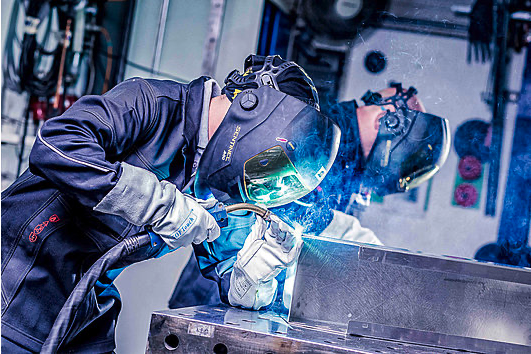
Cutting processes in metalworking are crucial for the manufacture of precise and functional components. These processes make it possible to shape metals such as steel, aluminium and stainless steel into the desired forms and sizes. Various cutting techniques are used in industry, each offering specific advantages and being employed in different applications.
OVERVIEW OF THE VARIOUS CUTTING METHODS
MECHANICAL METAL CUTTING PROCESSES
- Sawing
Sawing is a commonly used mechanical method in which metals are cut using a toothed blade. This technique is particularly well suited to straight cuts and is capable of processing a wide variety of metal types. - Milling
Milling uses rotating tools to precisely remove layers of material. It is ideal for machining workpieces with complex geometries and offers high precision in shaping. - Turning
In turning, the workpiece is set in a rotating motion whilst a cutting tool removes material. This method is particularly effective for cylindrical parts and enables precise diameter machining.
Note: Mechanical processes are versatile and offer high precision in the machining of metals.
THERMAL METAL CUTTING PROCESSES
- Laser cutting
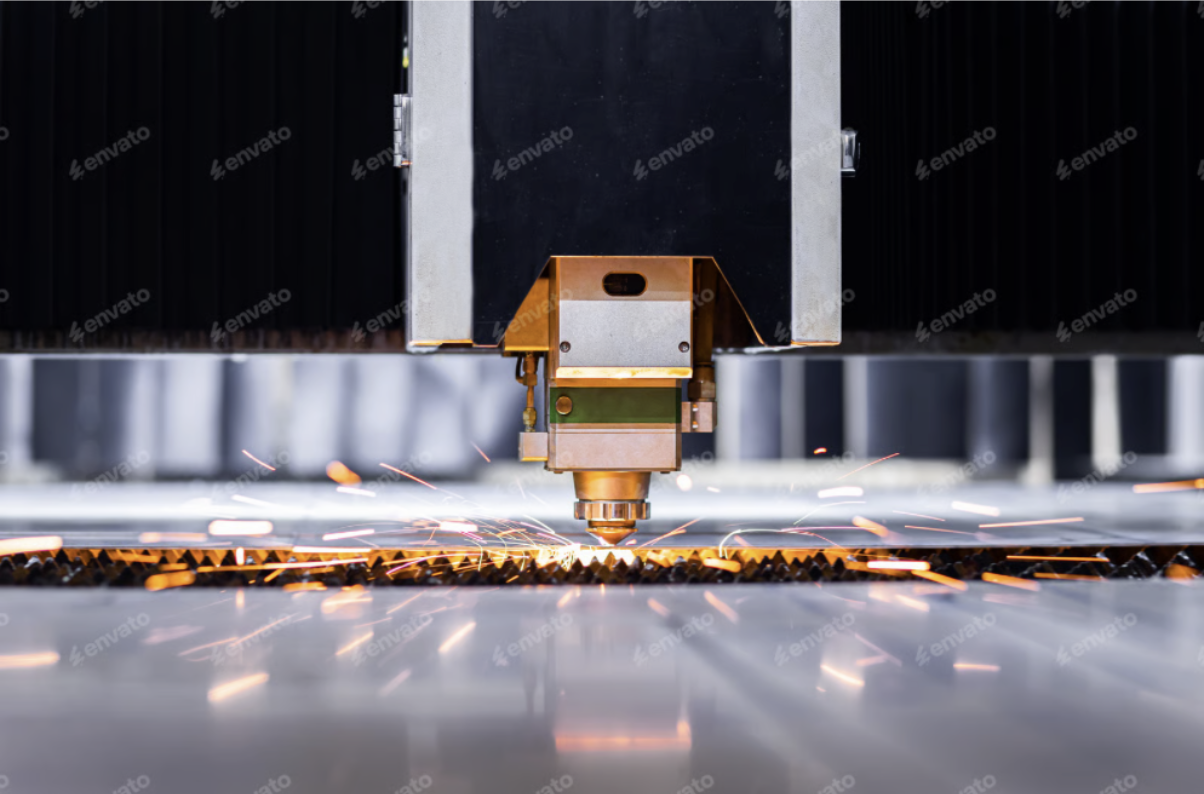
Laser cutting is renowned for its precision and its ability to produce thin cuts with minimal material loss. It uses a focused beam of light to cut metals efficiently and is particularly sought after for intricate work. - Plasma cutting
Plasma cutting uses an electrically conductive gas jet to melt the metal. This method is ideal for cutting thicker materials and is faster than laser cutting, though less precise. - Oxy-fuel cutting
Oxy-fuel cutting uses an oxygen flame to oxidise and sever the metal. This technique is particularly effective on carbon steels and is frequently used in heavy industry.
Note: Thermal processes offer high efficiency when machining thick materials and are particularly useful in industrial applications.
CHEMICAL METAL CUTTING PROCESSES
- Etching
Etching involves using an acid to remove unwanted parts of the metal. This process is ideal for producing fine structures and is frequently used in electronics manufacturing. - Electrochemical Machining (ECM)
ECM relies on electrochemical reactions to create precise shapes without applying mechanical pressure to the workpiece. This method is particularly in demand in the manufacture of high-precision components and enables the machining of complex geometries.
PHYSICAL METAL CUTTING PROCESSES (WATERJET CUTTING)
Waterjet cutting uses a high-pressure water jet mixed with abrasive agents to cut metals without thermal effects. This minimises deformation and enables the cutting of metals with sensitive surfaces.
Advantages of waterjet cutting:
- No thermal stress on the material
- High precision and minimal material damage
- Versatile application across different material thicknesses
SELECTING THE APPROPRIATE CUTTING PROCESS
The choice of the appropriate cutting process depends on several factors. The type of material, the geometric requirements of the workpiece and the production volume are decisive. In practice, economic considerations also play a significant role, as they influence the overall production costs.
TECHNOLOGISCHE ENTWICKLUNGEN UND INNOVATIONEN
Metal cutting has seen significant technological advances in recent years. New laser technologies and the integration of automation and robotics into cutting processes are helping to boost efficiency. Furthermore, environmentally friendly processes are gaining in importance, as they not only improve energy efficiency but also help to conserve resources.
PRACTICAL APPLICATION EXAMPLES
Metal cutting processes are indispensable in the automotive industry and medical technology. They enable the precise manufacture of components used in safety-critical applications.
Companies such as WECUBEX offer bespoke solutions to meet the specific requirements of these sectors.
Examples of use:
- Precision components in the automotive industry
- High-precision components in medical technology
METAL CUTTING PROCESSES: CHALLENGES AND SOLUTIONS
Challenges such as material warping or burr formation can arise during metal cutting. Specialised solutions and the use of advanced technologies help to overcome these problems and ensure the quality of the end products.
STATE-OF-THE-ART METAL SEPARATION PROCESSES AT WECUBEX
WECUBEX offers you bespoke cutting processes that optimise your production processes. Benefit from our experience and our commitment to quality:
- Innovative cutting technologies
- Tailor-made solutions
- High-precision manufacturing
Contact us today to find out more about our comprehensive range of services and how we can meet your specific requirements.