- Metal recycling reduces energy consumption and CO₂ emissions
- Innovative technologies improve recycling processes
- Significant savings with aluminium and other metals
- Competitiveness and job creation through recycling
- WECUBEX as a partner for sustainable metal system solutions
Metal recycling is crucial for environmentally friendly business practices and the conservation of resources. In the circular economy, recycling enables the reduction of energy consumption and CO₂ emissions. Given the wide range of applications for metals in industry, efficient recycling processes are essential.
BASICS OF METAL RECYCLING
Metal recycling differs from primary metal production in that it involves significantly lower energy consumption and fewer CO₂ emissions. Secondary metals offer industry a cost-effective and environmentally friendly alternative. Correct waste separation plays a central role in this and has a significant impact on the efficiency of recycling processes.
Note: Correct waste separation is the key to efficient recycling processes and a more sustainable industry.
THE METAL RECYCLING PROCESS
COLLECTION
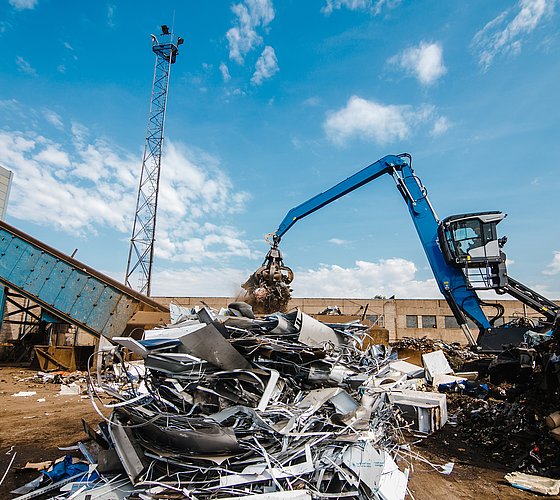
The recycling process begins with the collection of scrap metal from various sources, such as households, industry and the construction sector. Effective collection methods are crucial to ensuring a sufficient quantity of materials for further processing.
SORTING
Once collected, the metals are sorted. Modern technologies such as magnetic separation, lasers and X-rays are used to efficiently separate different metals and alloys from one another.
- Magnetic separation for ferromagnetic metals
- Laser and X-ray beams for complex alloys
- Automated systems to increase efficiency
SHREDDING
In this stage, the metals are shredded into smaller pieces. This facilitates the smelting process and ensures an even distribution of the materials in the smelting furnaces.
MELTING
The shredded metals are melted in large furnaces. This process removes impurities and transforms the metal into a liquid form ready for casting.
Note: Melting is a key step in the recycling process, ensuring the purity and quality of the recycled metal.
CASTING
The molten metal is poured into moulds to produce new castings. These can then be further processed in various industries and shaped into new products.
ENVIRONMENTAL AND RESOURCE BENEFITS OF METAL RECYCLING
Metal recycling saves a significant amount of energy and reduces emissions. For example, recycling aluminium saves 95 per cent of the energy and 92 per cent of the CO₂ emissions compared with primary production. These savings help to conserve natural resources and reduce the need for raw material imports.
Environmental benefits:
- Reduced energy consumption
- Lower CO₂ emissions
- Conservation of resources and reduced dependence on imports
ECONOMIC AND SOCIAL ASPECTS
The economic significance of recycling is evident in its competitiveness compared with primary raw materials and in the creation of jobs. Technical and regulatory challenges require continuous adjustments to ensure free trade in secondary raw materials and to increase market efficiency.
WECUBEX: YOUR PARTNER FOR SUSTAINABLE METAL SYSTEM SOLUTIONS
As a leading provider of metal system solutions, WECUBEX offers a comprehensive range of services focused on sustainability and efficiency. Using state-of-the-art technologies and an experienced team, we develop bespoke solutions in steel, aluminium and stainless steel that make your business environmentally friendly and future-proof.